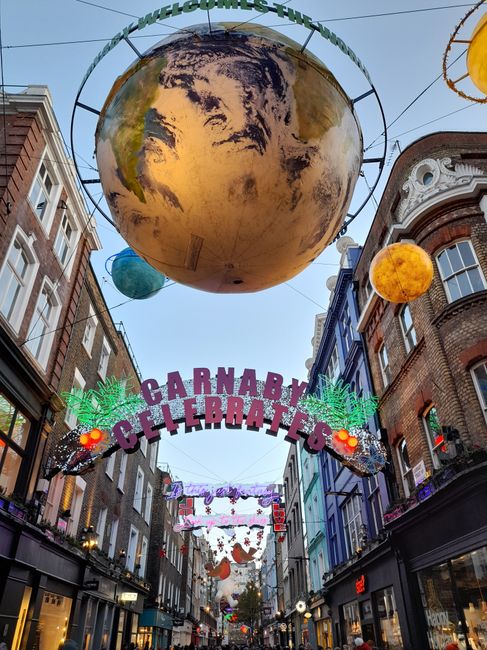
Carnaby Street carpet cleaning Soho W1D: a practical guide for cleaner, fresher carpets in Soho
If you live, work, or manage property near Carnaby Street, you already know the floor takes a beating. Footfall is constant, spills happen fast, and in a busy Soho W1D setting even a small mark can start to look tired very quickly. Carnaby Street carpet cleaning Soho W1D is not just about making fibres look nicer for a day or two; it is about keeping a space welcoming, protecting carpet life, and dealing with the kind of everyday grime that builds up in central London. Truth be told, a carpet can look "fine" until the light hits it in the morning and suddenly, well, it does not.
This guide walks through what professional carpet cleaning means in this part of Soho, how the process works, which methods suit different carpets, and how to avoid the usual mistakes. You will also find a checklist, a comparison table, compliance notes, and a realistic example so you can judge what good service should look like.
Why Carnaby Street carpet cleaning Soho W1D matters
Carnaby Street sits in one of London's busiest, most visible neighbourhoods, and that changes the way carpet care works. In a quieter residential street, carpets may mostly deal with dust, pets, and the occasional drink spill. Around Soho, you are also dealing with heavier foot traffic, grit from outdoors, food and beverage marks, shopping bags being dragged across the floor, and the general wear that comes with a lively central location.
The practical issue is not only appearance. Dirt particles can work down into the pile and act a bit like fine sandpaper. Over time, that reduces the carpet's resilience and can make high-traffic areas look flattened or patchy. In our experience, the difference between a carpet that gets maintained and one that gets ignored is obvious after a few months. The maintained one still feels softer underfoot, still holds colour better, and does not shout for attention the moment someone walks in.
For commercial settings, clean carpets also help shape first impressions. A boutique, office, showroom, hospitality space, or managed apartment in Soho needs to feel looked after from the moment someone steps inside. If you are already thinking about wider interior care, it can make sense to pair carpet maintenance with upholstery cleaning or even curtain cleaning so the whole room feels coherent rather than half-fresh, half-tired.
There is also a hygiene angle. Carpets can trap dust, allergens, odours, and residues from day-to-day life. That does not mean carpets are "dirty" by default; it means they need proper care, not a quick blast with a supermarket spray and a hopeful expression. Let's face it, that never really solves the problem.
How Carnaby Street carpet cleaning Soho W1D works
Professional carpet cleaning is usually built around inspection, pre-treatment, agitation, extraction, and drying. The exact method depends on fibre type, pile construction, backing, wear level, and what kind of soiling is present. A good cleaner does not start with the machine; they start by figuring out what the carpet can safely handle.
First comes assessment. Wool, wool blends, synthetic fibres, and delicate rugs all respond differently. A hallway runner in a busy office needs a different approach from a fitted carpet in a retail space, and different again from a hand-finished rug. If the carpet has spot stains, the cleaner may use a targeted stain removal treatment before the main clean.
Next is dry soil removal. This matters more than many people realise. Vacuuming or dry soil extraction removes loose grit before moisture is introduced. Skipping this step can make wet cleaning less effective because you are simply turning surface dust into muddy residue. Not ideal.
Then the cleaner applies a suitable pre-spray or detergent solution, leaves it to dwell for the right amount of time, and agitates the fibres so the product can reach embedded soil. After that, the carpet is rinsed or extracted using a suitable method. In many cases, steam carpet cleaning is used as part of the process, especially where deep cleaning and strong soil removal are priorities.
Finally, the carpet is groomed and left to dry under the best possible conditions. Airflow, temperature, and how much moisture was used all affect drying time. A practical cleaner will explain what to expect rather than waving a hand at the room and saying "should be fine by tomorrow". That is not quite the same thing as proper guidance.
Key benefits and practical advantages
Clean carpets do much more than look pleasant. In a high-traffic Soho setting, they help maintain comfort, presentation, and the long-term value of the floor covering. The benefits are most obvious when you step back and compare before and after, but some of the best gains are the quieter ones.
- Improved appearance: traffic lanes, dull patches, and embedded grime are reduced, which makes interiors feel brighter and more cared for.
- Better hygiene: professional cleaning removes more than a surface vacuum usually can, especially when dealing with grit, oils, and settled dust.
- Odour control: carpets can hold onto stale smells from food, drinks, pets, or general wear. Deeper cleaning helps lift those residues.
- Longer carpet life: regular maintenance reduces abrasion and helps fibres stay fuller for longer.
- Safer, smarter presentation: tidy floors contribute to a more professional environment for staff, tenants, or customers.
There is another advantage that is easy to overlook: confidence. If you know the carpet has been properly cleaned, you stop worrying about whether that mark near the entrance is becoming a permanent feature. That mental relief matters, especially in a business setting where you have ten other things to think about before lunch.
If your building includes mixed soft furnishings, it can also be efficient to book sofa cleaning or rug cleaning alongside carpet care, because the same kinds of soil and stains often appear across the room. It is usually more sensible to refresh the whole environment than to treat the floor in isolation.
Who this is for and when it makes sense
Carnaby Street carpet cleaning Soho W1D makes sense for more people than you might think. It is not only for large offices or hospitality venues. Smaller commercial units, rental flats, boutique retail spaces, studios, galleries, and even private homes nearby can all benefit from a planned cleaning schedule.
You may need it if:
- there are visible traffic lanes or dull patches in walkways
- a spill has left a stain or lingering smell
- the carpet feels sticky, rough, or tired underfoot
- you are preparing a property for new tenants, guests, or a viewing
- a customer-facing room needs to look sharper before a busy period
- you have allergies or dust sensitivity and want cleaner soft flooring
For businesses, the timing often lines up with quieter trading windows, end-of-lease preparations, refits, or seasonal refreshes. For homes, it is usually tied to a real-life trigger: a party, a pet accident, a change in tenancy, or simply that moment when the room no longer feels as fresh as it should. Happens to everyone, honestly.
If pet-related odours or marks are part of the problem, the most suitable route may be pet stain odour removal rather than a general clean alone. Matching the treatment to the issue is half the battle.
Step-by-step guidance
If you want to understand what good carpet cleaning looks like, it helps to break it into clear steps. That way you can compare services properly and avoid paying for something that sounds professional but does not go far enough.
- Inspect the carpet carefully. Check fibre type, wear areas, stains, and any risks such as loose edges or colour sensitivity.
- Test discreetly when needed. Some carpets, especially older or dyed ones, need a small test area before full treatment.
- Remove dry soil first. Vacuum thoroughly and pay attention to corners, edges, and under furniture.
- Pre-treat problem areas. Stains, oily spots, and tracked-in grime need targeted attention before the main clean.
- Choose the right cleaning method. Hot water extraction, steam cleaning, or other fibre-safe techniques may be used depending on the carpet.
- Extract thoroughly. Good extraction matters because excess moisture can delay drying and leave residue behind.
- Check the result in natural light. Artificial lighting can hide some issues, so proper inspection matters.
- Allow proper drying and airflow. Keep the room ventilated and avoid replacing heavy furniture too soon.
One small but important detail: if a cleaner rushes the pre-treatment stage, you often see the consequences later as "ghosting" or repeat staining. The mark seems gone, then pops back after drying. Not magic, just residue. So yes, patience is a real part of the job.
Expert tips for better results
There are a few simple things that consistently improve carpet cleaning outcomes, especially in a busy London setting where carpets get hit from all sides. None of them are dramatic. They just work.
- Vacuum properly before the visit. Dry soil is easier to remove before moisture enters the pile.
- Move light items out of the way. The cleaner can work faster and more evenly.
- Point out trouble spots early. The obvious mark is not always the worst one; sometimes the hidden stain matters more.
- Avoid soaking the carpet with home remedies. Excess liquid can spread staining or damage underlay.
- Think about room use after cleaning. If people need access quickly, ask about drying expectations before the job starts.
- Combine related services where useful. If floors, sofas, and soft furnishings all need attention, it is often more efficient to address them together.
For a broader refresh, a service like professional carpet cleaning can be paired with upholstery care in one visit. That kind of joined-up approach often feels more complete, and to be fair, it usually gives better value than doing everything in separate tiny jobs.
One more thing: ask how the cleaner handles delicate fibres, colourfastness, and lingering odours. A confident answer is a good sign. A vague answer usually is not.
Common mistakes to avoid
Some carpet problems are made worse by well-meaning DIY attempts. Others come from choosing the wrong service or failing to give enough information at the start. Here are the big ones.
- Using too much detergent. More product does not mean more cleaning. It often leaves residue.
- Scrubbing stains aggressively. That can fray fibres, spread the mark, or push it deeper.
- Ignoring drying time. Walking on a damp carpet too soon can resoil it.
- Booking the wrong method for the fibre. Wool and synthetic carpet do not always need the same treatment.
- Not mentioning old stains. The cleaner cannot plan properly if they do not know what they are dealing with.
- Expecting every mark to disappear completely. Some stains are permanent or have already altered the fibre. Honest advice matters here.
A surprising amount of frustration comes from mismatched expectations. Good cleaners should explain what can realistically be improved and what may only be reduced. That honesty is worth a lot. It saves time, money, and awkward conversations later.
Tools, resources and recommendations
You do not need to become a carpet technician yourself, but it helps to understand the basic tools and considerations a proper service uses. That way you can tell the difference between real care and a quick once-over.
| Method / tool | What it does | Best suited for |
|---|---|---|
| Commercial vacuum extraction | Removes dry soil before wet cleaning begins | Most fitted carpets and high-traffic spaces |
| Pre-spray / targeted treatment | Breaks down embedded grime and spots | Traffic lanes, food marks, oily residue |
| Steam or hot water extraction | Flushes soil from deeper in the pile | Deep refreshes and general restoration work |
| Spot treatment | Addresses specific stains with more precise products | Wine, coffee, food, and pet-related marks |
| Grooming tool | Helps the pile stand evenly and dry more consistently | Most pile carpets after cleaning |
On the service side, it can help to review practical pages such as pricing and quotes before you book, especially if you are comparing several rooms or a mixed residential-commercial property. If you want to understand how the business approaches trust, process, and customer care, the about us page is also useful reading.
For people who prefer to check operational policies first, sensible reads include insurance and safety and health and safety policy. It is not glamorous, no, but it is the kind of detail that tells you a company takes the work seriously.
Law, compliance, standards, and best practice
Carpet cleaning in Soho is not heavily regulated in the way some specialist trades are, but professional standards still matter. At a minimum, a reputable provider should operate with sensible risk controls, clear communication, appropriate insurance, and safe handling of cleaning solutions and equipment. If a cleaner is working in a commercial premises, they should also be mindful of site access, public safety, and working around staff or customers.
From a customer perspective, best practice is straightforward. You should know what work is being done, what the likely drying time is, whether any access restrictions apply, and what happens if there is an issue. Clear terms help here, which is why pages such as terms and conditions and payment and security are not just legal paperwork. They reduce misunderstandings. That matters.
Environmental practice can matter too, especially in a dense urban area. Responsible disposal, sensible product use, and avoiding unnecessary waste are all part of a decent service approach. If sustainability is important to you, it is reasonable to ask how the company handles waste and resource use. The recycling and sustainability page can help set expectations.
If something goes wrong, a transparent complaints process should exist. That is basic fairness, really. You should never be left guessing how to raise a concern or who will deal with it.
Options and comparison table
Different carpets need different approaches. A quick clean may be enough for light maintenance, while heavy soil or old staining usually needs a deeper treatment. Here is a practical comparison.
| Option | Typical use | Strengths | Trade-offs |
|---|---|---|---|
| Regular maintenance clean | Low to moderate soil, routine upkeep | Quick refresh, good for keeping carpets presentable | May not remove deep-set stains or heavy traffic marking |
| Deep steam cleaning | Heavier dirt, odour, or embedded residue | Strong restorative effect, reaches deeper in the pile | Usually needs more drying time |
| Targeted stain treatment | Isolated spots or spill marks | Focused approach, less disruption | Not a full replacement for whole-room cleaning |
| Combined soft furnishing clean | Rooms with carpets, sofas, rugs, or upholstery needing refresh | More complete room reset, often better value | Requires a bit more planning |
If you are trying to choose between methods, think about the issue first, not the machine. That sounds obvious, but people do forget it. A drink spill near a doorway and a full office carpet with traffic lanes are not the same problem, and they should not be treated like they are.
Case study or real-world example
Here is a realistic example from the sort of work that comes up around Soho. A small client-facing workspace near Carnaby Street had pale carpet tiles in the entrance and a darker woven carpet in a meeting area. The entrance zone had visible grey tracking, a coffee mark by the reception desk, and a faint stale smell that the team kept noticing but visitors probably would not have mentioned.
The first step was separating the problem areas. The entrance got a stronger soil-lifting pre-treatment because it faced the street and picked up more grit. The coffee mark was treated separately, and the meeting room carpet was cleaned more lightly so it did not end up over-wet. The result was not a dramatic "new carpet" miracle. It was better than that, actually. The room looked credible again. The carpet colours read properly. The smell lifted. Staff noticed the difference the same afternoon.
That is often the real win with Carnaby Street carpet cleaning Soho W1D. Not perfection. Just a clean, calm, professional-looking space that feels easier to walk into.
Practical checklist
Use this before you book, or before a cleaner arrives.
- Identify the carpet type if you can.
- List visible stains, smells, or wear areas.
- Decide which rooms matter most if time is limited.
- Clear small movable items from the floor.
- Ask about drying expectations and access needs.
- Check whether related items, like rugs or sofas, should be included.
- Review relevant service information such as carpet cleaning and steam carpet cleaning if you want to understand the options first.
- Confirm what happens if a stain does not fully lift.
- Keep pets and heavy foot traffic away during drying.
- Save the company's contact details in case you need to follow up.
Little checklist, big difference. It saves a lot of back-and-forth.
Get a free quote today and see how much you can save.
Conclusion
Carnaby Street carpet cleaning Soho W1D is about more than a clean-looking floor. In a fast-moving part of London, it supports presentation, hygiene, comfort, and the long-term condition of your carpets. The best results usually come from matching the method to the fibre, treating stains properly, and allowing enough time for drying and inspection.
If you want a better outcome, focus on the basics: proper assessment, realistic expectations, and a cleaner who explains what they are doing in plain English. That is the good stuff. Everything else is just noise. And honestly, a well-kept carpet makes a room feel steadier than you expect. Quietly better. Cleaner. Calmer.
Frequently Asked Questions
What does Carnaby Street carpet cleaning Soho W1D usually include?
It usually includes inspection, vacuuming or dry soil removal, stain pre-treatment, deep cleaning, extraction, and drying advice. Some jobs also include grooming and spot work for visible marks.
How often should carpets in Soho be cleaned?
It depends on foot traffic, usage, and the type of carpet. Busy commercial spaces usually need more frequent maintenance than quiet residential rooms. A high-traffic entrance may need attention sooner than a back room.
Is steam carpet cleaning safe for all carpets?
No, not automatically. Steam or hot water extraction suits many carpets, but delicate fibres, older carpets, or certain dyes may need a gentler approach. A proper assessment should come first.
Can professional cleaning remove old stains?
Sometimes it can improve them a lot, but not every stain will disappear completely. The age of the stain, the fibre type, and what caused it all matter. Honest expectations are better than promises that sound too good.
How long does carpet drying usually take?
Drying time varies depending on method, ventilation, pile type, and how much moisture was used. Good airflow helps. A cleaner should explain what to expect before starting.
What should I do before the cleaner arrives?
Vacuum if possible, move small items, point out problem areas, and make sure access is clear. If there are pets, keep them somewhere safe and out of the way. That bit is worth planning properly.
Can I book carpet cleaning with other soft furnishing services?
Yes, and it often makes sense. If carpets, rugs, sofas, or curtains all need work, combining services can create a more complete refresh and reduce disruption.
What if my carpet has an odour as well as visible dirt?
Odours often need more than a surface clean. In cases involving pets, spills, or lingering damp smells, targeted treatment may be needed alongside carpet cleaning.
How do I know if a carpet cleaner is trustworthy?
Look for clear communication, sensible safety information, transparent pricing guidance, and a proper complaints process. Pages such as about us, insurance and safety, and terms and conditions can help you judge how seriously a company operates.
Is carpet cleaning worth it for a small flat near Carnaby Street?
Usually yes, especially if the carpet is visible in a main living space or hallway. Even a small area can make the whole home feel fresher when it is properly cleaned.
What is the difference between stain removal and full carpet cleaning?
Stain removal focuses on specific marks, while full carpet cleaning addresses the entire carpet surface, dirt build-up, and overall freshness. The best choice depends on whether the problem is localised or widespread.
How can I get an estimate before booking?
The most useful next step is to review the available service information and request a quotation based on the rooms, carpet type, and any stains or special concerns. That gives you a more accurate starting point than a rough guess.